
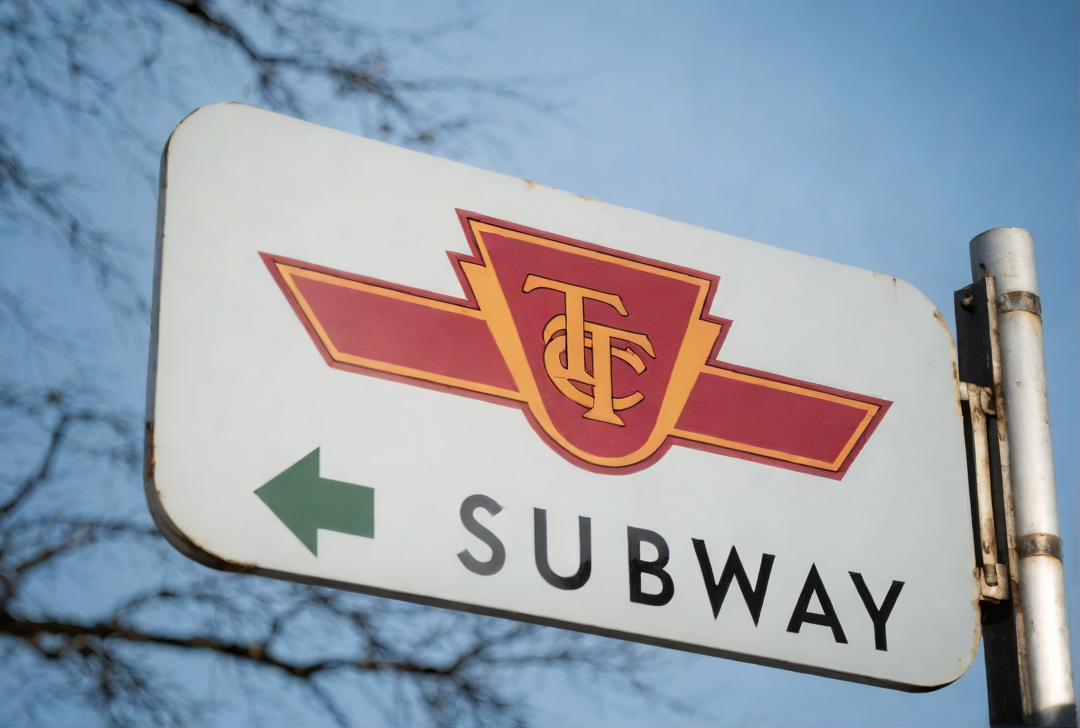
TTC Subways Resume on Line 2 Amid Service Disruptions and Plans for Future Changes
On March 5, 2026, the Toronto Transit Commission (TTC) announced that subway service had resumed on Line 2 between Jane and Ossington stations, following a brief suspension caused by a track-related incident. The incident occurred just before 8:30 a.m. and was resolved by 10 a.m., with shuttle buses temporarily carrying passengers along the affected route.
Service Resumes, but With Temporary Disruptions
According to the TTC, the suspension was prompted by an "injury on the tracks." While the service has resumed, commuters faced significant disruption during the morning rush hour. Shuttle buses were deployed to manage the reduced capacity, and riders were advised to use alternative routes, such as the GO Transit services at Kipling, Dundas West, Union, and Mimico stations.
"Subway service on Line 2 was suspended for an extended period, impacting over 80,000 daily commuters," reported Phil Tsekouras of CTV News. "While service has resumed, the incident highlights the ongoing challenges faced by the TTC in maintaining reliable service."
TTC's Service Alerts and Plan for the Future
The TTC's website service alerts page provides a real-time update on the current status of all TTC services, including the Line 2 incident. The page emphasizes that shuttle buses are not equipped to handle the high passenger volume of subways, leading to potential traffic congestion.
TTC officials are also planning more extensive changes to their service network. The organization's 2025 Annual Service Plan, released on October 9, 2025, outlines a series of measures aimed at enhancing connections and making the system more accessible, particularly for key priority groups such as women, shift workers, and lower-income riders.
TTC Orders More Subway Studies
Perhaps the most significant development is the TTC's decision to order more subway studies. According to a report by Metro Magazine, the TTC has tasked its staff to produce two feasibility studies on Scarborough subways by January 2026. This move has reignited debates about whether the city should focus on building subways or light rail transit.
Karen Stintz, chair of the TTC board, and provincial officials claim these studies will have no impact on the upcoming transit agreement. However, some city councilors have expressed concerns, suggesting the studies may send mixed signals to the public.
The studies are expected to explore the economic and social impacts of subway construction, as well as the feasibility of integrating subways into the existing transit network. "The TTC's decision to conduct these studies is a step towards more informed decision-making," said Alex Roman, Executive Editor of METRO Magazine. "However, it remains to be seen how these studies will influence the broader transit strategy."
Enhancing Customer Safety at Mid-Block Stops
The 2025 Annual Service Plan also emphasizes the need to enhance customer safety at mid-block transit stops. With an increased focus on ensuring the well-being of passengers, the TTC is considering various measures to improve security and prevent incidents like the recent track-related issue.
"The TTC's commitment to customer safety is paramount," stated a spokesperson for the organization. "We are reviewing the safety protocols at mid-block stops to ensure that all passengers can use the system with confidence."
Implications and What to Watch Next
The TTC's actions over the past few months signal a more proactive approach to service and infrastructure improvements. The resumption of Line 2 service, the release of the 2025 Annual Service Plan, and the initiation of additional subway studies all point to a period of significant change for the TTC.
"Commuters should expect ongoing disruptions and service adjustments in the coming months," advised Phil Tsekouras. "However, these changes are part of a broader strategy to modernize the TTC and improve the overall customer experience."
As the TTC continues to navigate these challenges, the public and city officials will be closely watching the outcomes of the feasibility studies and how they shape the future of Toronto's transit system. The next few months will be crucial in determining the direction of TTC's service and the city's transportation infrastructure.