
Toronto's Dining Revolution: Exploring New Frontiers in Culinary Wellness
Functional Dining and the Rise of Kyma
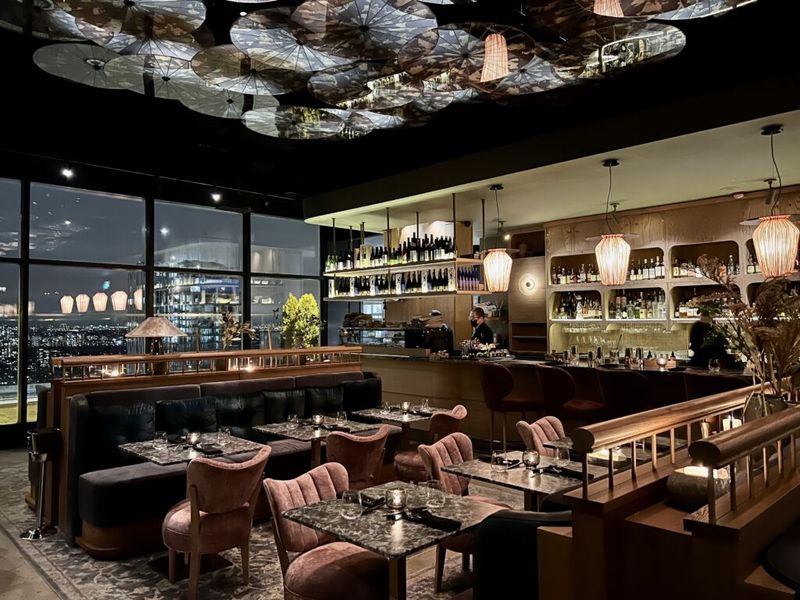
Toronto is at the forefront of a culinary revolution, with the opening of Kyma, a new restaurant that promises to blend the best of culinary soul and rigorous health science. Designed as a sanctuary of wellness, Kyma is the brainchild of renowned restaurateur Hemant Bhagwani, who has already made a name for himself with ventures like ORO Luxury Dining and Amaya. Kyma, however, represents a new direction, embracing the "hydration meets high-performance" ethos that's becoming increasingly popular among health-conscious Toronto residents.
Bhagwani's vision for Kyma is to create a dining experience that is not just about food, but about overall health and wellness. The menu, developed with the help of a clinical nutritionist, is designed to cater to those who are looking for more than just a meal; they are seeking a holistic approach to health. This concept is part of a broader trend of functional dining, which focuses on the nutritional content and health benefits of the food served. According to data from TouchBistro’s 2026 Canadian State of Restaurants Report, Canadian restaurants are demonstrating remarkable adaptability in the face of intense labor shortages and rising food costs, proving that innovation in the sector is key to survival.
Kyma's menu will offer a range of dishes that are not only delicious but also packed with health benefits. For example, the crudo of hamachi, dressed with a shiso emulsion and watermelon radish, represents a sophisticated yet healthy take on traditional Japanese cuisine. This innovative approach to food is likely to attract a new audience of health-conscious diners who are seeking more than just a tasty meal.
The New Wave of Restaurants in Toronto
Toronto's dining scene is continuously evolving, with new openings that are pushing the boundaries of traditional dining. The recent additions, such as Eloise, a sophisticated new restaurant from the Hnatiw brothers, are rewriting their family legacy. The Old Spaghetti Factory, known for its kitsch charm, has been transformed into a modern, elegant space that emphasizes softness and sophistication. The bar, Bar Cart, is a hidden gem within the restaurant, offering a moody, railcar-inspired speakeasy that provides the perfect atmosphere for a post-dinner nightcap.
Eloise's transformation illustrates the trend of restaurants moving away from kitsch and toward a more refined, contemporary aesthetic. It is part of a broader movement where local food personalities are reimagining traditional concepts to appeal to a more discerning and health-conscious clientele. This shift is not limited to high-end establishments; even smaller, niche venues are finding success by offering unique dining experiences. For instance, Onoir, a restaurant that provides a dining experience in complete darkness, challenges the traditional reliance on visual cues and encourages diners to focus on other senses.
These new openings reflect a growing appetite among Torontonians for dining experiences that are more than just about the food. The emphasis is shifting towards creating a holistic experience that encompasses taste, texture, and the ambiance of the space. This approach is particularly evident in Kyma, which uses technology and health science to enhance its menu offerings.
The Popularity of Banh Mi
In the realm of sandwiches, a new trend is emerging in Toronto: the banh mi. This Vietnamese staple has been gaining popularity in the city, with new shops like Oi Banh Mi, Rose’s Viet Subs, and Banh Mi Nana drawing significant attention. The city's love for sandwiches is well-documented, with the peameal bacon sandwich holding a special place in the hearts of locals. However, the Italian deli sandwich, which was dominant in 2025, is starting to lose its shine as more people explore the diverse flavors offered by banh mi.
Banh mi restaurants are sprouting up like mushrooms in the city, suggesting that the trend is here to stay. The success of these establishments is evident in their ability to attract both locals and tourists looking for a unique and flavorful sandwich experience. The variety of flavors and fillings offered by banh mi makes it a versatile choice that can appeal to a wide range of palates.
This trend is part of a broader movement towards global fusion cuisine in Toronto. As the city continues to attract a diverse population, there is a growing interest in exploring the culinary traditions of various cultures. Banh mi, with its rich history and unique flavor profile, fits well into this trend, offering a taste of Vietnam that is distinct from the more familiar Italian deli sandwich.
The Resilience of Toronto's Restaurant Industry
The restaurant industry in Toronto has shown remarkable resilience in the face of economic challenges. According to TouchBistro’s 2026 Canadian State of Restaurants Report, the majority of independent full-service operators are leveraging technology and AI to overcome labor shortages and rising food costs. This adaptability is crucial for the industry's continued success.
The report highlights that the most successful operators are taking control through strategic technology investments that enhance their operations and make their teams more productive. This shift towards technological solutions is not just about saving costs; it is also about improving the overall dining experience for customers. By streamlining operations, restaurants can focus on delivering high-quality service while preserving the human touch that is so important in the hospitality industry.
The use of technology in the restaurant industry is also driving innovation. For example, Kyma is likely to incorporate advanced health and wellness technologies into its operations, ensuring that every aspect of the dining experience is optimized for the health and well-being of its customers.
Implications for the Future of Dining in Toronto
The future of dining in Toronto looks promising, with a diverse range of new concepts and trends shaping the city's culinary landscape. The rise of functional dining, the popularity of banh mi, and the continued success of innovative restaurants like Eloise and Onoir all point to a dining scene that is more than just about the food.
Toronto's residents are increasingly seeking dining experiences that are not only delicious but also holistic and health-conscious. This trend is likely to continue, with more restaurants incorporating elements of functional dining and wellness into their menus and spaces. The use of technology will also play a significant role in shaping the future of the industry, as restaurants seek to enhance their operations and provide a seamless experience for their customers.
In conclusion, the dining scene in Toronto is undergoing a transformation. From the functional dining concept of Kyma to the popularity of banh mi and the innovative experiences offered by unique venues like Eloise and Onoir, the city's restaurants are setting new standards for what it means to dine in a modern, health-conscious world. As the industry continues to evolve, we can expect to see more of these trends and concepts take root, making Toronto a culinary hub that is both forward-thinking and deeply rooted in tradition.